50+ Podcast Ideas for Students
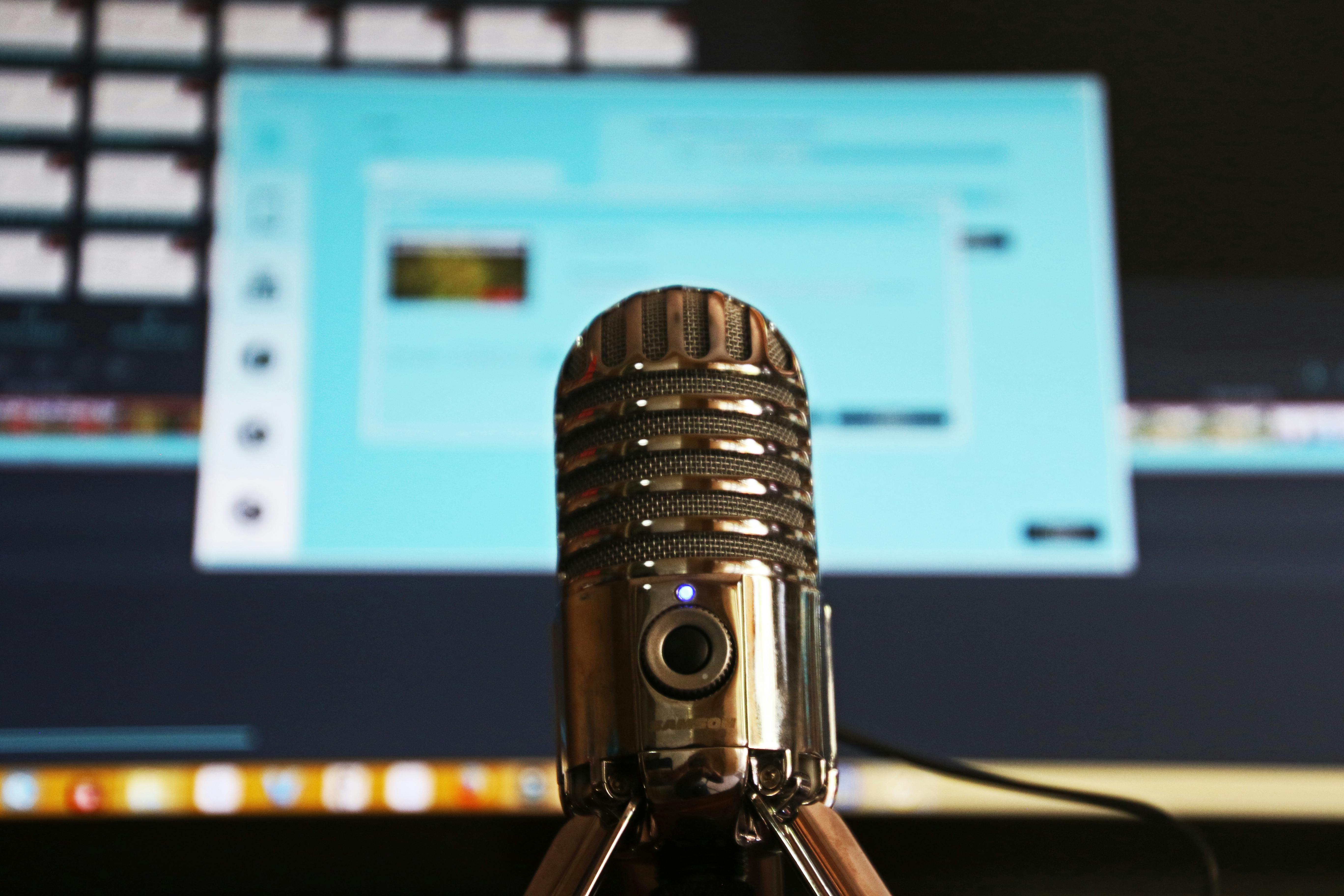
Podcasts have gradually become a fast-growing form of media consumed widely by Gen Z and a huge number of university students in 2025. Spotify has reported that over 32% of the podcast listeners fall under the 18-24 age category. Podcasts aren’t just a form of entertainment; they work as a creative outlet, a way to share stories, build communities, and even boost resumes by augmenting knowledge. Since effective podcasting also relies on your ability to communicate confidently, it’s worth exploring how to improve your delivery, like in this guide on how to give a presentation effectively. But the biggest question most young creators face is: What should my podcast be about? That’s where this guide comes in. In this blog, we’ve put together 25 engaging podcast ideas for students that cover everything from campus humor and career advice to mental health and cultural storytelling. Each idea listed here is further broken down into segments like the concept behind the idea, potential subsections, ideal guests, execution tips from scratch, and the best platforms to publish the podcast. Whether you’re searching for podcast topics for students, brainstorming student podcast ideas with your club, or looking for podcast ideas for university students that can resonate beyond campus, this list will help you find a starting point and turn your vision into a real show.
Top 10 Podcast Ideas for Students
1. Finals Unfiltered: Surviving Exam Week
Concept: This podcast is all about the chaos, stress, and humorous moments that occur during final exams.
Segments:
Exam Confessions - Students can share their bizarre exam stories.
Study Playlist of the Week - Add and highlight lo-fi motivational tracks for the students to focus better and be more productive.
Quick Tips: Through experiences, one can share all the last-minute hacks, revision tricks, and tips.
Guests: Seniors, campus counselors, productivity coaches
Final exams are a struggle for students globally. This in itself makes this topic one of the most relatable and funny podcasts. An unfiltered episode on finals might provide the students a chance to laugh at their pain and struggles, and make them feel a little stress-free. For instance, one episode could start with a roommate’s horror story about oversleeping an exam and then transition into a guest counselor’s tips on managing pre-exam anxiety. Blending humour with useful advice and genuine strategies helps to offer value to the students without it all sounding too heavy. The main goal behind this podcast is how it thrives on relatability, making it shareable content among students during exams.
2. Career Gap & Gown
Concept: A podcast that is focused on a student’s career, internships, networking, and opportunities after college.
Segments:
Internships Horror Stories - Nightmare of experience for students during their internships or work.
Career Mythbusters - Alumni/ college passouts can debunk the misconceptions around the industry outputs.
LinkedIn Hacks - For students building their career from scratch, how they can boost their profile through these quick tips.
Guests: College Passouts, Alumni Networks, Career Counsellors, Recruiters
The main goal for any student after college is to land a lucrative career opportunity. A job that pays well and helps them climb the corporate ladder fast. Career Cap & Gown is a podcast that covers internships and work experience of students after college in a hilarious manner. It can be a senior spilling about their boss who made them fetch coffee for them around the clock for three months straight. The “Career Mythbuster” section can help in debunking the exaggerated and overly polished advice found online. For example, do you really need a 4.0 GPA to land a good job? Not necessarily, and that’s the kind of reassurance students love hearing. In terms of execution, keeping these episodes super tight and interactive can help make it easy to binge while commuting or between classes. Career-related podcasts can also be repurposed as 30-second clips of alumni advice on LinkedIn. It can be great content for professional platforms.
3. Time Management Mastery
Concept: Students are among the most famous multitaskers. Students juggle lectures, assignments, part-time jobs, and a social life. A podcast on Time Management Mastery helps individuals stick to a routine with stress-saving advice that actually helps them improve their lives.
Segments:
Weekly Planner Hacks - Quick and fun ways to create planners to organize the week better creatively.
Study Routine Challenges - Explain how to use various study routines and methods like Pomodoro, Time Blocking, and many more!
App of the Week - Through this podcast, one can review podcast tools that make time management easier for students.
Guests: Peer mentors, academic advisors, productivity experts, productivity app founders, seniors with proven time management systems
This is one of the most common yet practical podcast topics for students, as nearly every student struggles with balancing academics with personal life. These podcast ideas for university students can be made interesting by weaving in humor, personal stories, experiences, and proven techniques, so the podcast doesn’t sound like another boring lecture. A sample episode could kick off with a funny confession like, “I once pulled an all-nighter only to realize the assignment was due next week,” followed by practical insights into how to prevent such mix-ups. Credibility can be bought in by academic advisors, while founders of productivity apps like Notion, Todoist, or Forest can share how they have designed the tool to help achieve the best outcome for students. Ultimately, this podcast thrives because it speaks to the daily reality of student life: wanting more hours in the day without losing sleep, grades, or social connections.
4. Budgeting on a Dime
Concept: Universities and higher studies in general are a very expensive affair. Many students struggle with financial constraints, making it difficult for them to make ends meet with payouts like tuition, rent, and other daily expenses. Budgeting on a Dime specifically dives into how a student can manage money on campus and off-campus by following simple steps without missing out on the fun.
Segments:
Instant Meals and Deals - Quick and affordable ways to cook food, learn cheaper recipes and hacks to spend less on groceries.
Textbook Swap Tips - This podcast will focus on how students can get their hands on free resources, along with discounted study material.
Dorm Decor for Less - Discuss DIY hacks that help students decorate their dorm and hostel rooms into an aesthetic place they can call home.
Guests: Finance-savvy upperclassmen, campus financial counselors, local thrift store owners, or even alumni who successfully navigated student debt.
Money is the most talked-about issue among students as it acts as the biggest stressor during their span of education. That’s exactly why Budgeting on a Dime is a valuable idea for a podcast specific to students. This podcast can discuss how they can save money by making small changes to their everyday lives. Imagine an episode starting with a fun challenge: “Can you survive a week spending less than $30 on food?” followed by guests like thrifty upperclassmen sharing their favorite campus meal hacks. Segments like Textbook Swap Tips would be especially helpful, where you discuss platforms like Chegg, library reserves, or even local Facebook groups where students exchange used books for free. To keep the podcast engaging, you can make it interactive by encouraging listeners to share their best thrift store finds or their cheapest grocery hauls. By providing downloadable budget spreadsheets or “meal-prep on $10” PDFs, you extend the podcast value beyond listening. Social media tie-ins are crucial here; short TikToks comparing “Starbucks latte vs. homemade cold brew” or “IKEA dorm vs. thrift store dorm” are highly shareable and drive traffic back to full episodes.
5. Mental Health Matters
Concept: University life can be overwhelming, and students need open, stigma-free conversations about mental health. Mental Health Matters creates a safe space for support, awareness, and practical coping strategies.
Segments:
Mindful Minutes – guided breathing or meditation exercises, yoga for students that can help with stress during finals week.
Campus Therapy Talk – conversations with student counselors. Helping student navigate their way to capable therapists.
Anonymous Struggles – listener-submitted stories shared anonymously.
Guests: Campus counselors, psychology professors, wellness coaches, student volunteers from mental health orgs.
Mental health is one of the most pressing topics for students today. Surveys show that nearly 60% of college students in 2024 reported experiencing anxiety or depression, making this one of the most important podcast ideas for students. Mental Health Matters isn’t about lecturing, it’s about real talk, relatable stories, and coping tools students can apply in their daily lives. Episodes might feature short guided meditations under the Mindful Minutes segment, or raw conversations with campus counselors who explain how to navigate academic stress and social pressures. A key part of the show could be listener-submitted stories, allowing students to hear “you’re not alone” in the most direct way possible. To keep things interactive, polls and Q&As on Instagram Stories could ask questions like “What’s your #1 stress trigger this week?” Then, you could bring these insights into future episodes. The podcast works best when paired with visuals, such as YouTube videos of mindfulness routines or TikTok snippets of stress-busting hacks.
6. Campus Legends & Lore
Concept: Every university has myths, spooky stories, and funny traditions. Campus Legends & Lore dives into these quirky tales, bringing them to life through storytelling.
Segments:
Dorm Myths Debunked – uncover if those ghost stories are real.
Tradition Tracker – explore annual student rituals.
Legend of the Week – one spooky or funny tale per episode.
Guests: History professors, long-time staff, senior students, or alumni with firsthand stories.
One of the most entertaining podcast ideas for university students is Campus Legends & Lore, where stories about haunted dorm rooms, quirky traditions, and epic pranks come alive. Students are naturally curious about their campus history, but when it’s presented in a spooky or funny way, the appeal skyrockets. Picture an episode where you explore whether the library basement is actually haunted, interviewing a janitor who swears they’ve seen strange shadows. Or a deep dive into why seniors toss coins into the campus fountain before finals. Adding immersive sound effects, creaking doors, eerie whispers, or crowd cheers during traditions keeps listeners hooked. To build engagement, invite students to submit their own campus myths and vote on whether they believe them. On TikTok, short teasers like “Is our dorm actually haunted?” can go viral fast. Beyond just entertainment, this podcast connects students to the unique culture and history of their school, making it shareable during orientation week or alumni events. Opening your episode with vivid atmosphere or a compelling narrative — or borrowing techniques from the art of speech openings as shown in this blog on Mastering the Art of Starting a Speech can really hook your audience
7. The Study Hack Show
Concept: A podcast dedicated to practical study hacks and learning strategies that actually work.
Segments:
Technique Spotlight – deep dives into methods like spaced repetition or Pomodoro.
App Lab – reviews of apps like Notion, Quizlet, or Anki.
Listener Challenges – test hacks in real time and report back.
Guests: High-achieving students, academic coaches, edtech founders.
The Study Hack Show is designed for students who want to learn smarter, not harder. Instead of generic advice like “just focus more,” this podcast dives into scientifically backed strategies like spaced repetition, active recall, and the Feynman Technique. Each episode could highlight one method, like the Pomodoro Technique, explaining how to apply it and inviting a student guest to share whether it really helped them. A segment like App Lab adds modern relevance, where apps like Notion, Forest, or Quizlet are reviewed with practical pros and cons. To make the podcast interactive, you can issue “study challenges” to listeners, like trying Pomodoro for a week, and then feature their feedback in future episodes. Short, bite-sized episodes work best here, since students are often listening while cramming. On social media, TikTok reels showing 15-second hacks (“How to memorize 20 flashcards in 10 minutes”) can drive major traffic.
8. True Crime: Campus Edition
Concept:
The true crime genre dominates the podcasting space, but students can give it a unique twist by exploring mysteries, scandals, and strange events connected to campus life. True Crime: Campus Edition would spotlight thefts, unexplained pranks, haunted legends, and even quirky cases tied to university history. This angle blends the thrill of true crime with the relatability of student experiences.
Segments:
Dorm Room Mysteries – explore unexplained events in student housing.
Cafeteria Capers – cover hilarious or bizarre food thefts and pranks.
Campus Legends – dive into ghost stories, rumors, and forgotten scandals.
Guests:
Campus security officers, investigative journalism students, history professors, or alumni with stories of “back in the day” scandals.
True crime is consistently one of the most-streamed podcast genres, and according to Spotify’s 2025 trends report, it still ranks among the top three worldwide. True Crime: Campus Edition taps into that popularity but adds a student-specific flavor, making it stand out among other student podcast ideas. Imagine an episode unpacking a bizarre dorm theft where textbooks mysteriously disappeared, or a deep dive into a decades-old campus ghost story that resurfaces every year during finals. By tying local campus history and real-life events to the storytelling, you create episodes that feel hyper-relevant to your peers. The mix of real interviews with campus security officers, professors, and investigative students adds credibility while keeping the episodes grounded. Execution can be creative: dramatic background music, reenactments, or even “mock trial” debates about campus rumors. What makes this idea engaging is its interactivity—students can submit anonymous stories, share campus legends, or vote on which mystery gets tackled next.
9. AI & You: The Study Buddy
Concept:
AI is shaping the way students learn, collaborate, and create in 2025. AI & You: The Study Buddy explores how students can use artificial intelligence tools responsibly and effectively. From boosting productivity to sparking creativity, this podcast makes AI less intimidating and more approachable for everyday academic life.
Segments:
Prompt of the Week – showcase clever ChatGPT or Gemini prompts for essays, coding, or brainstorming.
AI vs Human Test – compare AI-generated work with student submissions and debate which is better.
App Spotlight – review AI-driven tools like note summarizers, research bots, or design assistants.
Guests:
Student coders, AI club leaders, startup founders working in EdTech, and even professors exploring AI ethics.
With AI adoption skyrocketing in education, AI & You: The Study Buddy is one of the most relevant podcast ideas for students in 2025. A survey by EDUCAUSE found that 64% of students are already using AI for learning support, from summarizing textbooks to generating study flashcards. This podcast helps students harness that power ethically and effectively. Imagine an episode where you test AI vs human-created essays, sparking debates about originality, or a deep dive into AI note-taking apps that can save hours of revision time. The “Prompt of the Week” segment can become a student favorite, giving listeners actionable hacks they can try immediately. Bringing in guests like student developers or startup founders makes the content feel fresh and innovative. At the same time, episodes could address pressing concerns like plagiarism, bias in AI models, or the balance between human creativity and machine efficiency. The execution should lean into demonstrations—showing AI tools in real time on YouTube while extending the discussion on Spotify ensures maximum reach.
10. Tech & Gadget Reviews
Concept:
Students are constantly searching for tools and apps to make learning easier, and Tech & Gadget Reviews can be the go-to guide for figuring out which ones are worth the download. This podcast focuses on reviewing apps, devices, and digital hacks that enhance productivity, organization, and creativity in student life.
Segments:
App Review – weekly breakdown of one trending app (e.g., Notion, Obsidian, or Grammarly).
Tool of the Week – spotlighting gadgets like smart pens, tablets, or even noise-cancelling headphones.
Tech Tips – practical hacks like organizing files, automating schedules, or syncing devices.
Guests:
Invite tech-savvy students who’ve integrated tools into their study routine, app developers explaining features, or IT staff who know insider tricks.
In 2025, students are more digitally connected than ever, with Statista reporting that over 92% of U.S. college students rely on at least one productivity app daily. Tech & Gadget Reviews taps into this reality by giving students authentic, easy-to-digest evaluations of the tools they’re already curious about. For example, one episode could pit Notion vs. Evernote for managing coursework, while another could explore whether budget-friendly tablets can replace laptops for note-taking. These conversations not only inform but also save students from wasting money on apps or devices that don’t deliver. The “Tool of the Week” segment keeps the content fresh, while “Tech Tips” ensures each episode leaves listeners with actionable takeaways. Guests like app developers add credibility, while peer reviews make the show relatable and less intimidating. To maximize engagement, encourage listeners to submit their favorite apps for review or vote on the next gadget to cover. YouTube serves as the perfect hub for screen-shared demos, and Spotify or Apple Podcasts handle the longer deep dives into pros, cons, and practical applications. With tech shaping the modern student experience, this podcast becomes a trusted resource for navigating the fast-changing digital landscape.
Launching a podcast as a student isn’t just about finding your voice — it’s about building a community, learning new skills, and expressing ideas that matter. Whether you’re passionate about mental health, career growth, AI in education, or simply sharing fun campus stories, there’s an audience waiting to listen. These 25 podcast ideas for students are designed to help you take that first step, from brainstorming and structuring episodes to engaging your listeners week after week.
As you prepare to record your first episode, remember: authenticity beats perfection. The best podcasts often start as casual dorm-room conversations that evolve into meaningful dialogues. Focus on being relatable, consistent, and creative; your unique perspective is what will set you apart in a sea of student podcasters.
FAQs
1. What are the most popular podcast topics among students in 2025?
Some of the most popular student podcast themes in 2025 include mental health awareness, career guidance, AI and technology in education, campus humor, and self-improvement. These topics resonate with Gen Z listeners looking for relatable, informative, and inspiring content.
2. How can I start a podcast as a student with no experience?
You can start a student podcast with just your smartphone and a free editing app like Audacity or Anchor. Begin by choosing a clear niche, planning a few episode ideas, and recording short, conversational episodes. Consistency and authenticity matter more than expensive equipment when you’re just starting out.
3. Which platforms are best for student podcasts?
Spotify, Apple Podcasts, and YouTube remain the top three platforms for student creators in 2025. However, apps like Podbean, Anchor, and Riverside.fm are excellent for recording, editing, and distributing podcasts for free or at a low cost.
4. How can I promote my student podcast and reach more listeners?
Promote your podcast on Instagram Reels, TikTok clips, and LinkedIn (for professional or career-focused shows). Collaborate with guests, share behind-the-scenes content, and repurpose snippets into short-form videos to boost discoverability.
5. What makes a student podcast successful?
A successful student podcast stands out through its relatability, consistency, and clarity. Focus on storytelling, invite diverse guests, and encourage audience interaction through polls, Q&A sessions, or social media challenges. Podcasts that feel authentic and community-driven tend to grow the fastest.
