How to Proofread Your Essay Like a Pro (UK Student Edition)
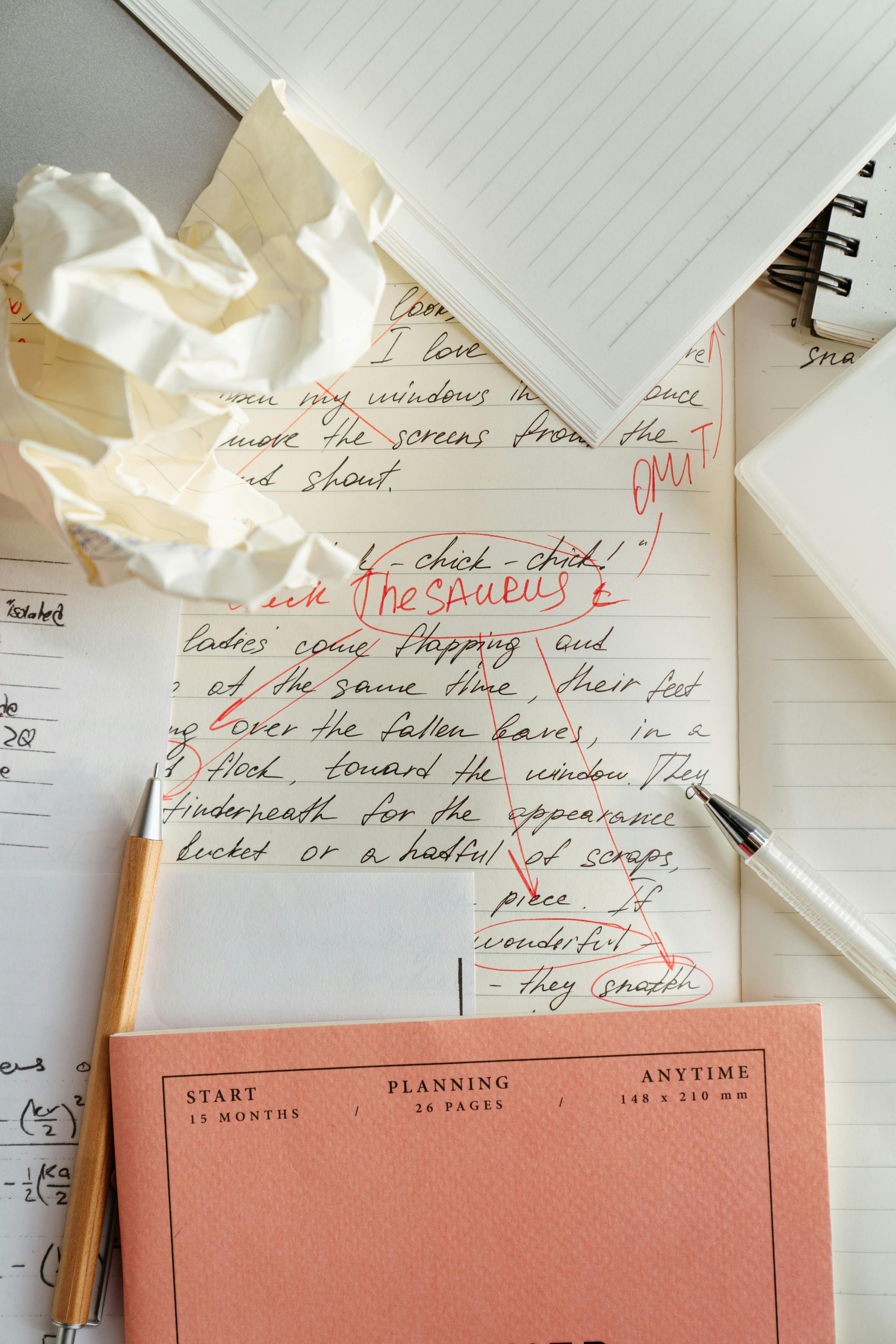
Writing an essay is one thing, but proofreading it properly can make the difference between “good” and “very good”. In this guide, you’ll get easy-to-follow proofreading tips tailored for UK students, so you can polish your final draft, minimise errors, and submit with confidence.
1. Why Proofreading Matters
Even the best-written essay can suffer from simple mistakes: missing words, awkward sentences, formatting inconsistencies. Proofreading is your final check-over that ensures:
your arguments flow clearly and logically
your writing meets UK academic style and requirements
you avoid avoidable mistakes that could cost marks
By taking 15-30 minutes (or more) to proofread, you show that you care about quality.
As your trust-worthy academic support partner, we help with structured writing and revision, so you’re ready to shine.
2. When to Proofread: Create a Good Workflow
Finish your draft early. Give yourself time for revision, not just writing.
Leave a gap. After finishing your draft, take a break (even an hour or overnight) so you look with fresh eyes.
Print it or view it differently. Seeing the essay in a new format (PDF, print-out) helps you spot issues you might miss on screen.
Use a checklist approach. Don’t just “read it through” — check for specific issues (see next sections).
3. First Pass: Big Picture Edits
Start by looking at structural and content issues. Ask yourself:
Does my introduction clearly state the essay’s purpose?
Is each paragraph focused on one key idea and linked to the thesis?
Have I given enough evidence and explanation for each point?
Is the conclusion summarising main ideas and showing how they tie together?
Have I followed my institution’s formatting (UK style: margins, spacing, referencing)?
If you find major gaps or weak paragraphs, fix them first — rewriting now saves time than doing it later after small-edit passes.
4. Second Pass: Language, Style & Tone
Now you’re refining the writing itself. Focus on:
Clarity: Avoid overly long sentences. Aim for one idea per sentence and one main point per paragraph.
Academic tone: Use formal style (but still readable). Avoid slang, contraction (“don’t”), overly conversational phrases.
Active voice where possible: “The research shows…” is often better than “It is shown by the research that…”.
Consistency in UK English: Check spelling (e.g., “organisation” vs “organization”), punctuation (single vs double quotes), referencing style.
5. Third Pass: Grammar, Punctuation & Readability
Now zoom in on mechanics:
Spell-check and grammar-check (tools help, but don’t rely on them fully).
Watch for common errors:
Missing or extra words (“this shows …” vs “this show …”)
Subject–verb agreement (“students write” vs “student writes”)
Punctuation around subordinate clauses and lists
Consistent use of Oxford comma if your style requires it
Read aloud (or have text-to‐speech read it) — hearing the sentences helps you spot awkward rhythm.
Check readability: if you find yourself stumbling, simplify the sentence or break long ones into smaller chunks.
6. Fourth Pass: Formatting & References (UK Focus)
Now check presentation:
Have you used the correct heading levels (H1 for title, H2/H3 for subheadings)?
Are margins, font size, line-spacing as required by your institution?
Figures/tables: Do they have captions? Are they referenced in the text?
References / bibliography: Align with UK style (Harvard, APA, MLA depending on your course).
In-text citations: Consistent style, correct format, page numbers (if required).
Ensure your title page, page numbering, running headers (if needed) are correct.
7. Final Pass: Fresh Fresh Eyes
Before you submit:
Print it or convert to PDF and visually scan for orphans (single words on last line), inconsistent spacing.
Use the “find” tool to check you’ve replaced all placeholder text (e.g., “insert figure here”).
Ask a friend to skim it: they’re unlikely to catch everything, but can spot things you’ve become blind to.
Run a plagiarism check (especially if you’ve used many sources) to be safe — not because you expect issues, but to ensure you have citation integrity.
8. Quick Proofreading Checklist
Introduction sets the essay purpose
Each paragraph has one clear point
Arguments supported with evidence
Academic tone and UK English spelling used
Sentences are clear and varied in length
Spelling & grammar checked
References and citations correctly formatted
Layout follows your university’s guidelines
Final read-through done in different format (print or PDF)
Submission file named correctly and backup made
9. Need Extra Support?
If you’re feeling unsure about your final draft, our expert team at Assignments Help Provider can assist. Whether it’s checking referencing style, polishing your language, or ensuring your essay meets UK academic standards, we’re here to help you move from “good” to very good.
Explore our essay writing and editing support.
10. Final Thoughts
Proofreading is one of the most undervalued steps in essay preparation — yet it’s one of the most impactful. Spend time on each pass, don’t rush, and you’ll submit an essay that looks professional, reads clearly, and reflects your best work. Your tutors will notice the attention to detail. Good luck!
Author Bio:
Dr Alex Smith (Academic Writing Specialist, 7+ years supporting UK university students)
At Assignments Help Provider, we believe every student deserves clarity, quality, and confidence in their work.
FAQs on Proofreading Essays
1. What’s the best way to proofread an essay quickly?
Take short breaks between sections and read your essay aloud. Tools like Grammarly can help, but don’t rely on them completely.
2. How many times should I proofread my essay?
Ideally, proofread at least twice — once for grammar and once for structure and clarity.
3. Should I proofread or edit first?
Editing should come first to fix content and structure. Proofreading is the final step to fix surface-level errors.
4. What’s the easiest way for UK students to proofread an essay before submission?
UK students can proofread easily by reviewing their essays in British English spell-check mode, reading aloud to catch flow issues, and ensuring formatting matches their university’s guidelines. A quick break before the final read also helps spot overlooked mistakes.
5. What’s the difference between editing and proofreading?
Editing focuses on improving ideas and flow; proofreading focuses on fixing grammar, spelling, and formatting errors.
