How to Write in Cursive
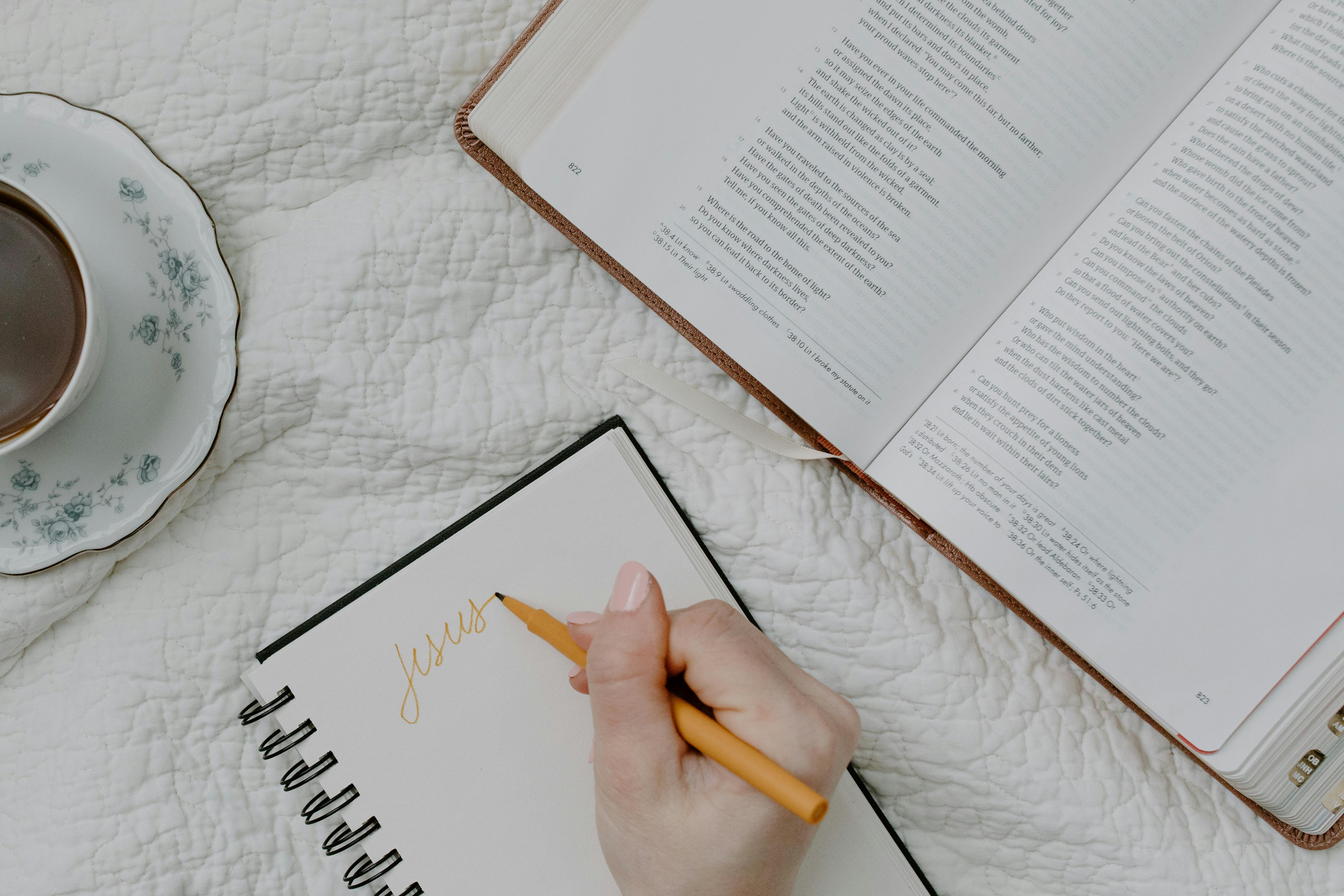
Are you also confused and want to learn how to write in cursive? So, cursive writing is a flowing handwriting style in which letters are combined in a smoother, quicker form of writing. In the past, it helped people to learn how to write in cursive efficiently before the advent of computer equipment. Although it is not as emphasized in schools as it once was, cursive writing has benefits that include improved motor skills, enhanced memory, and greater personal expression. It's used in personal writing, formal writing, and artistic drawing. With practice, one can master this elegant and individualized method of writing.
Basics of Cursive Letters
They are drawn with flowing, continuous strokes, making them smooth to look at. Most of them slant to the right and follow some stroke patterns. The journey to how to write in cursive starts with having the skill to manage these single letter strokes before putting them together to form words. Just as mastering individual learning, how to make cursive writing cursive strokes is essential before forming coherent words, understanding each component is crucial before crafting the methodology for your dissertation; explore The Ultimate Guide On How To Write Methodology For Dissertation.
Key points to remember:
Smooth strokes connect cursive letters.
The majority of the letters have loops or tails (e.g., "e," "g," "y").
Letters tend to be written with a rightward slant.
Certain letters exist in special cursive forms (e.g., "f," "k").
Uniform letter size and shape are important for neatness.
Learning the Cursive Alphabet: Lowercase and Uppercase Letters
How to write fancy letters involves learning both lower and upper case letters, each with its own set of unique strokes and techniques. Knowing how I can write in cursive, including the overall outline of each letter, is essential to creating smooth and legible cursive handwriting.
Lowercase Cursive Alphabet: Key Letters and Techniques
It is important to master lowercase letters because they serve as the basis of how you do cursive writing. Lowercase letters are normally smaller and are written in such a way that they are meant to lead into each other. Some of the most important lowercase letters and stroke techniques are as follows:
It is rounded with a little loop at the top left and has a curved tail. It's very important to keep the loop uniform for better readability.
Begin with an upward straight line, then curve to the left to create the lower loop. Concentrate on keeping the loop uniform.
Begin with a curved, smooth stroke, maintaining a uniform arc. This is one of the easiest cursive letters.
Start at the baseline with a straight line, then loop to the left and come back up.
Begin in the top left and make a small loop. The 'e' must flow well into the next letter.
A small loop with a dot at the top gives a neat and uniform shape.
As in a,' but with a lower loop added, which goes below the baseline.
Uppercase Cursive Alphabet: Key Letters and Techniques
Uppercase cursive letters are usually more elaborate than lowercase ones, and they often have bigger loops or ornamental strokes. Here are some important things to consider when learning how to write in cursive, such as uppercase letters and techniques:
A large, pointed stroke at the top, followed by a smooth downward curve and a rightward flourish. It's important to maintain the proper angle and sharpness.
Begin with a straight line that curves into a rounded bottom and top curve, making both sections symmetrical.
Begin with a large, sweeping curve, somewhat more rounded than its lowercase version.
Like lowercase 'd', but bigger, with a high, sweeping curve.
A refined curved stroke begins at the top left and flows smoothly to the right.
It is one of the most ornate cursive letters, with a high top loop and long lower stroke.
A strong letter with a projecting loop that curves below the line and returns.
Both lowercase and uppercase cursive letters require practice to ensure that they flow together smoothly. The form and structure of each letter must be uniform to keep it readable and make your handwriting look overall elegant. With consistent practice and diligence, how you do cursive writing becomes a lovely, personal accomplishment.
Letter Formation and Strokes
Cursive writing is the smooth link between letters by using certain strokes and movements. Learning how to write in cursive involves proper letter formation to make sure that the handwriting is clear, smooth, and readable. Every letter has a unique stroke order and form to keep your handwriting consistent. Knowing the basics of cursive letter formation and training these strokes will help your writing remarkably.
Mastering clear handwriting, like cursive, supports structured thinking, which is vital when crafting strong dissertation questions. Writing Strong Dissertation Questions – A Complete Breakdown.
How to Form Each Letter in Starting
Every letter of the cursive alphabet has its specific formation method, but each of the letters adheres to fundamental principles such as continuous flow and smoothness. Learning how to write in cursive means focusing on these key principles to form each letter properly. Some basic hints include:
Use a standard stroke: Many of the cursive letters begin as simple strokes, including curves, loops, and horizontal lines.
Practice single letters first: Use individual lowercase and uppercase letters before combining to write words in a joined format.
Emphasize consistency: Opt for consistent size, shape, and slant of letters.
Connect Letters in Cursive
One of the unique characteristics of how you write in cursive is connecting letters. Such connections provide smoothness and swiftness in writing. The following are guidelines for letter connection mastery:
Lowercase Letters: When joining lowercase letters, concentrate on maintaining smooth-flowing strokes without pen lifting. Letters such as "a," "e," and "o" offer effortless starting points for smooth connections.
Uppercase Letters: Uppercase letters tend to be bigger and might be more demanding. Begin by exercising smaller, more straightforward uppercase letters such as "C" and "E" to build up a comfortable flow.
Connect Lowercase Letters
When joining cursive letters, try for smooth continuity. Each letter should merge into the next, producing a seamless flow:
For instance, the join from "a" to "t" needs attention to spacing and slant. Exercise linking letters such as "a" and "l," "s" and "t" to create fluidity.
Connect Uppercase Letters
Joining uppercase letters is a bit more difficult because they are larger and have more complex strokes. Pay attention to:
Letter combinations: Always start with basic letter combinations, such as "A" and "B," and "M" and "N."
Flow and balance: Make sure each capital letter has the proper form and joins well with the next letter.
Common Letter Combos and Transitions
Certain cursive letter combinations are challenging because of the form or stroke of each letter. These are common combinations to practice:
"th" combination: The "t" and "h" may be tricky because they have different heights. Pay attention to joining the "t" loop smoothly to the "h" and its downward stroke.
"er" combination: The "e" and "r" must join with a tiny loop at the tail of the "e."
"ing" combination: The "i," "n," and "g" must join naturally, with the "n" and "g" looping without break.
Practice Writing Words And Sentences: How To Write In Cursive For Beginners
Once you feel confident with single letters, learning how to write in cursive for beginners extends to practising full words and sentences. This is where you will begin applying what you have learned to flowing and even cursive writing.
Starting with Simple Words
Begin with easy words that include common letter combinations. Words like "cat," "dog," and "home" will provide easy letter transitions and spacing to practice when learning how to write in cursive.
Start slowly: Write slowly at first and focus on precision. Speed will come with constant practice.
Watch the slant: Ensure that the slant of letters is consistent in order to keep it neat.
Moving to Full Sentences
Once you have mastered writing single words, proceed with short sentences. Writing full sentences will allow you to connect your letters with ease and smoothly get a feel of the overall flow of cursive script.
Practice writing sentences such as: "The cat ran quickly" or "I love to write."
Practice keeping the space even and blending all the letters smoothly.
Practice Sentences for Fluency
When you become more comfortable writing words, start practising longer sentences to build fluency and rhythm:
"The sun sets over the mountains."
"Cursive writing is fun to learn."
As you practice writing out these sentences, you will adjust the rhythm and pace required to write a cursive script without compromising readability. This will help you refine your how to write in cursive skills even further.
For more information on structuring your writing, see our guide, Appendix in Writing – Everything You Need To Know.
Correct Posture and Hand Positioning for Cursive Writing
Correct hand position and posture are the secrets to making your cursive writing readable and easy.
Sit upright: Sit upright with shoulders down and a straight back.
Place your feet on the ground: This supports balance and stability while you learn how to write cursive.
Elbow position: Rest your elbow on the desk in a way that your hand is pointing without causing pain.
Correct Pen Grip and Hand Movement
A proper pen hold is a secret to even, smooth strokes and how do you write in cursive.
Pen Grip: Rest the pen in between your thumb and index finger, with your fingers gently supporting it. Hold it so relaxed that you have no tension.
Hand Movement: Have your hand move easily when writing with minimal movement of the wrist. Allow your arm to move freely and your hand to become loose as you form the letters.
Uniformity of Size, Shape, and Slant
For good cursive writing, it is very necessary to achieve uniformity in the size, shape, and slant of every letter. Some suggestions are as follows:
Size: Make sure that all the letters are of the same size. If your lowercase "a" is larger than "b," it will break the flow.
Shape: Use the correct shape of every letter, with no unnecessary curves or too sharp angles.
Slant: Get all your letters to slant in the same direction, most likely 45 degrees. This contributes to neatness and uniformity in each word.
Using Lined Paper for Consistency
Lined paper is an excellent resource for maintaining consistency. The lines assist you in keeping the size of the letters uniform so that the letters aren't too big or too small. Lines also help in maintaining the slant of each letter uniform, enabling the attainment of a generally smooth appearance in learning how to write in cursive.
Practice with lined paper: Practice handwriting on paper that has both horizontal and vertical lines to assist in managing letter size, slant, and spacing.
Guide yourself with margins: Use left and right margins to avoid filling the space with your handwriting, leaving equal spacing between words.
Building Speed and Flow in Cursive Writing
Speed is required for day-to-day use, but never at the expense of neatness. Practice on a daily basis and carrying a natural flow is needed to achieve speed without compromising legibility.
Techniques to Improve Flow
Relax your hand: Hand or wrist tension will slow down your writing. Release your grip and let your hand write naturally.
Practice with cursive drills: Practice cursive every day; for example, writing alphabet sets or word sets that are typical in your use will develop your flow.
Write at a comfortable speed: Gradual and slow is better than sloppy and quick. Ease into increasing speed as you feel more relaxed.
To improve structured practice methods, check out How to Write a DBQ Essay: Definition, Process, & DBQ Example.
Cursive writing is a pleasant and easy skill that has stood the test of time. Maintaining the same-sized, shaped, sloping, and same-stroke order letters, consistent practice, and avoiding the usual pitfalls, anyone can understand how to learn cursive writing. Just persist, and with constant practice, your cursive writing will be a flowing and pretty mode of communication.
